

There’s a version of patient support that looks great in a board presentation and falls apart at the pharmacy counter. Diann Dalton Potestio has seen both.
With 28 product launches behind her across major pharma and early-stage startups, Diann has been in those rooms where the budget is approved and the forecast is locked. She’s also fielded the calls when a physician says the prior auth process isn’t worth the fight, and when patients who were promised access quietly stop filling.
In this episode of The GTN Edge Podcast, Diann joins Gerard and Stephen for a direct conversation about why the timing of patient identification matters as much as the strategy behind it. She keeps coming back to the same problem: when a patient’s benefit structure isn’t identified at enrollment, the correction is always more expensive than catching it first, in money and in patient trust.
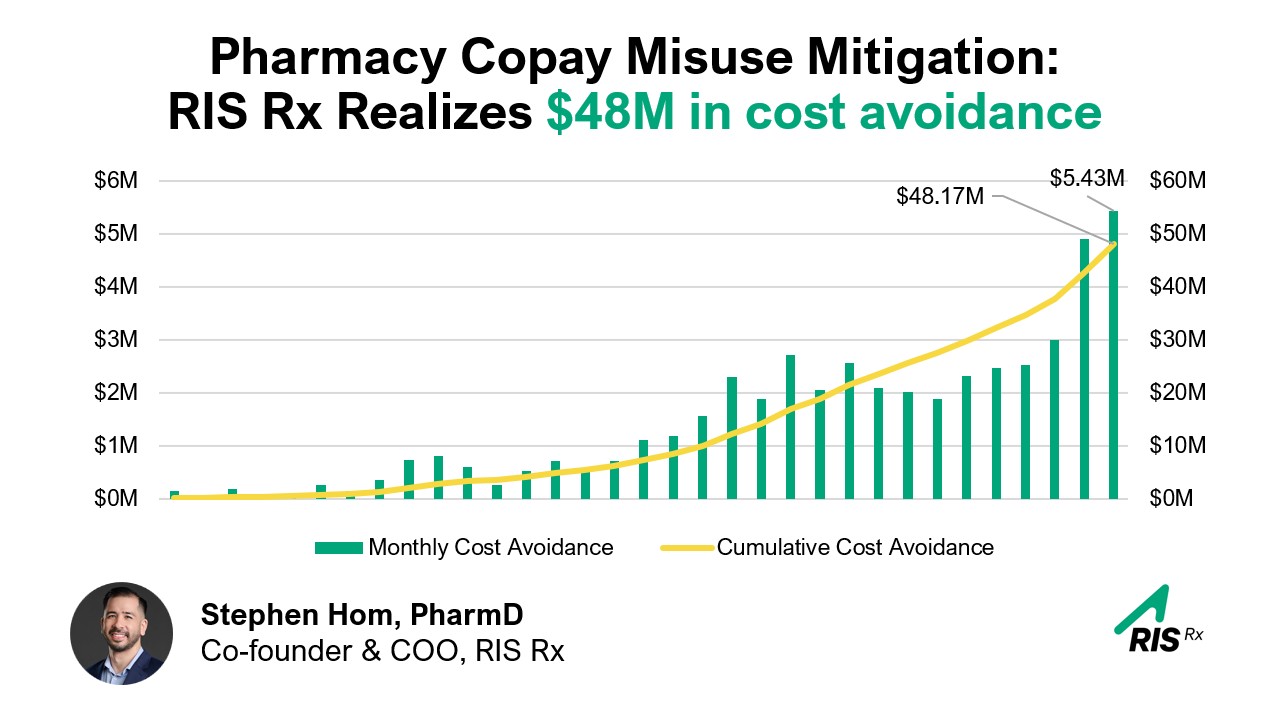
The numbers back it up. In one copay program allocating hundreds of millions in spend, more than 10% of leaked spend traced to a single cause: identifying the patient type too late in the journey. That gap accounted for more than half of the total GTN opportunity uncovered. In concrete terms, if a drug fills at $2,500 per claim and the annual benefit cap is $10,000, two fills in the wrong program burns 50% of the card before anyone has looked closely enough.
Diann walks through what that looks like from the manufacturer’s chair, and why the patient experience fallout tends to be worse than the financial hit. A patient whose reimbursement method shifts mid-therapy, with no context, rarely stays on it.
Her closing advice for market access leaders is worth the listen on its own.