
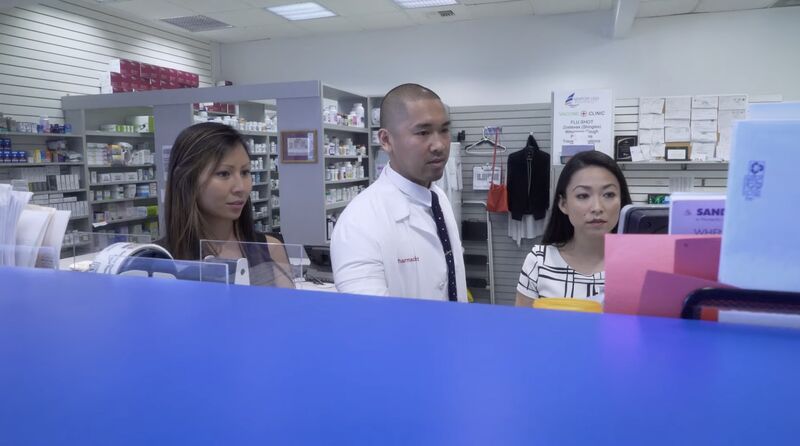
A former pharmacist at heart, Gerard Rivera is now working to remove financial barriers for patients.
I still remember the day a Hep C patient walked into our pharmacy with a $30,000 prescription that her insurance wouldn’t cover.
Processing the prescription took hours of coordination, multiple calls to attain prior authorizations and prove clinical justification. Eventually insurance covered most of it, but she was still left with a $2,000 bill she couldn’t afford.
Only after enrolling her in a patient affordability program did her cost drop to $0.
Luckily, we were running a specialty pharmacy that could afford to take the necessary time to help her get the medication.
But it shouldn’t have taken that much blood, sweat, and tears to fill her prescription.
Her case clicked all the eligibility boxes:
- She had a clear diagnosis of hep C
- She had private insurance through her employer
- There was no generic medicine alternative she could take
The outcome could have been different. Instead of getting the patient started on therapy, she could have walked away without it.
That patient experience changed how I thought about the entire healthcare finance system.
Affordability programs directly affect health outcomes. In this case, it was a life-saving one.
It’s time to stop seeing it as a budget line, and begin seeing it as a mission-critical investment in people.
Because patient affordability isn’t a cost, it’s care continuity.