Watch the full episode here. (best in 1080p – click the gear icon to switch)
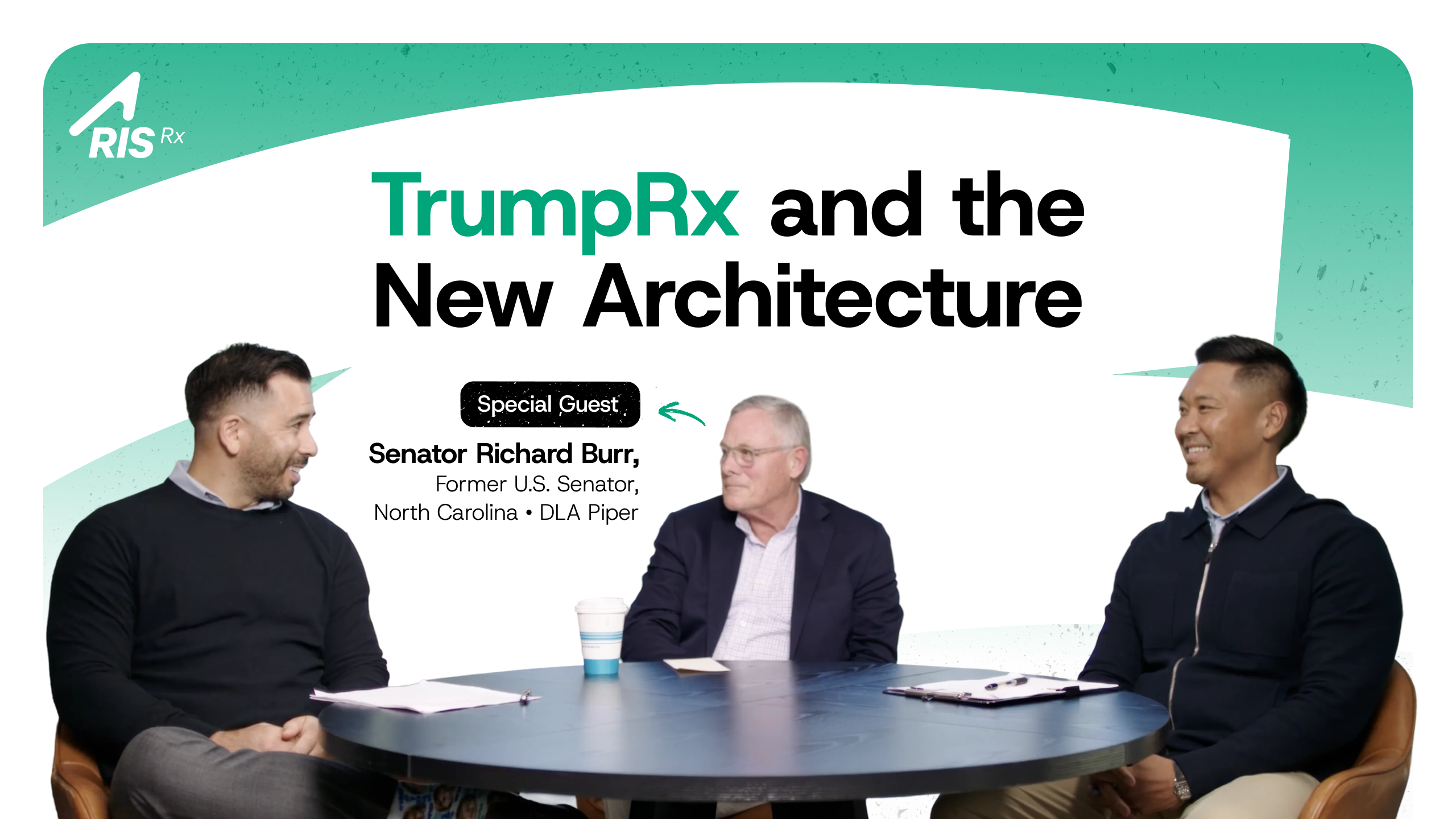
Senator Richard Burr: TrumpRx and the New Architecture
Every new discount channel arrives with a promise: lower prices for patients and a more direct path for manufacturers. That promise only holds if someone can confirm, claim by claim, that each discount reached the patient it was meant for and didn’t stack on coverage that patient already had.
That was one of many threads of our conversation with former U.S. Senator Richard Burr of North Carolina on The GTN Edge Podcast this week.
Senator Burr currently serves as principal policy advisor and chair of DLA Piper’s Health Policy Strategic Consulting practice within the firm’s Regulatory and Government Affairs practice group. During his storied career in the Senate, Senator Burr helped shape three rounds of FDA modernization among several other accomplishments that established the architecture of today’s healthcare system in the United States. It was the honor and privilege of our careers to speak with someone so influential and knowledgeable as Senator Burr.
As the midterms approach, we wanted his read on what comes next for TrumpRx and for manufacturers running patient affordability programs.
The market isn’t waiting for Congress
Senator Burr doesn’t expect healthcare legislation before the end of the year, but he sees the market changing regardless. TrumpRx launched on February 5 and, by our estimate, will move billions in manufacturer discounts to patients this year. Senator Burr described it as a disruption whose chain effect hasn’t fully played out. He doesn’t expect it to become the dominant channel, and he told manufacturers not to stop at only TrumpRx: direct to consumer, direct to employer, direct to insurer and direct to hospital are all routes manufacturers can and should use. At the same time, every channel that scales without oversight scales its exposure along with it.
New channels bring new exposure
Senator Burr was direct about the risk. When several entities pay into the same channel, he said, it opens the door for people to take advantage, and that’s where a platform like ours can chase and identify the fraud, waste and abuse in the system.
Each channel is built to get savings to a patient, but not every channel reconciles what a patient already receives elsewhere, such as insurance coverage, a copay card or another manufacturer offer. Every program looks correct in isolation, and the overpayment only appears when someone compares them. That’s the silo problem, and each new channel adds another silo.
The strain shows up at the pharmacy counter first. Many of the 60,000+ independent retail pharmacies across the U.S. are short on cash as PBM reimbursements land below cost. Though Senator Burr doesn’t have the answer for shoring up independent pharmacies’ margins as direct channels grow, he recognizes them as crucial partners that help patients and local communities thrive.
Progress takes proof
Here Senator Burr’s advice got specific. With legislation stalled, progress, he suggested, will depend on companies telling lawmakers how they can prove that changes have a positive impact on health and its cost.
He was candid that no one has the full picture yet, including himself as a former member of Congress. This is the start of change, he said, and the start will show what comes next. What lawmakers need, in his view, is validation of what they do – going so far as to describe RIS Rx as a validator of this new architecture.
Manufacturers have already asked us the question behind that: is this set up the right way to help patients afford their medication and to protect our bottom line?
What proof makes possible
Senator Burr tied proof to something bigger than catching misuse. Everything that comes next in pharma and technology needs capital, he said, and capital wants to know what its return will be. Anything that makes the ROI easier to understand brings more of it in.
He also saw validation as a model that reaches beyond one problem. The system needs validators in other places where costs can be cut, he said, with the larger payoff being getting products to patients faster.
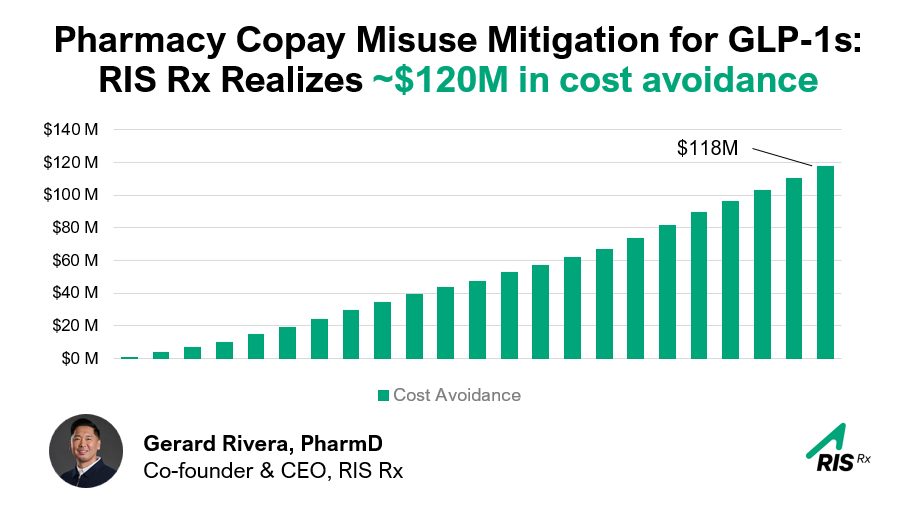
For us, proof is claim-level evidence. Because we connect to the vendors that serve pharma, and not to a single manufacturer or vendor, we can see across the silos where misuse hides and show whether a discount reached the patient it was meant for. (best in 1080p – click the gear icon to switch)
Watch the episode here. Worth your time. (best in 1080p – click the gear icon to switch)